


39jl | The Rise and Influence of Strategy Games in the Digital Era
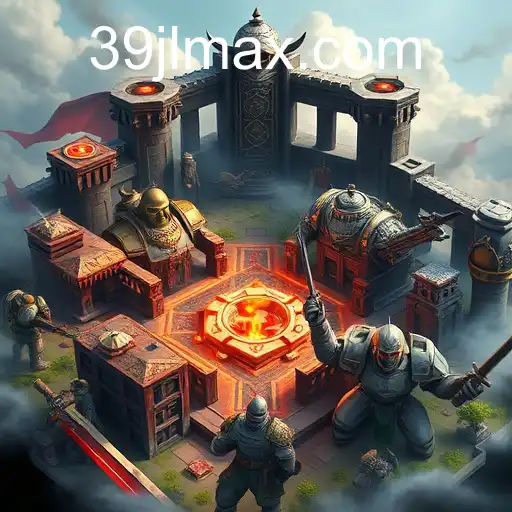
In the expansive realm of gaming, few categories command the respect and enthusiasm of 'Strategy Games'. Known under the keyword '39jl' on a popular gaming website, these games have long been celebrated for their complex challenges and ability to engage players' minds in innovative ways. The genre encompasses a variety of sub-genres, including real-time strategy (RTS), turn-based strategy (TBS), and four-ex (4X) games, all of which demand careful planning and tactical execution.
Strategy games trace their origins to early board games like chess and go, but they have significantly evolved since the advent of digital gaming. Titles like 'Sid Meier’s Civilization' and 'StarCraft' have not only set benchmarks in terms of gameplay and depth but have also expanded the cultural footprint of the genre. With the increasing accessibility of gaming, strategy games have become more inclusive, offering a diverse range of settings and narratives that appeal to a broader audience.
The competitive scene has particularly thrived, propelled by advancements in online multiplayer capabilities. Major tournaments for games like 'League of Legends', although primarily categorized as MOBAs (Multiplayer Online Battle Arenas), often feature strategic elements that draw parallels to pure strategy games. This blend and overlap with other genres highlight the dynamic nature of strategy games and their ability to adapt and find relevancy in a fast-evolving market.
Moreover, the advent of mobile gaming has brought strategy games to a wider audience. Apps like 'Clash of Clans' and 'Plants versus Zombies' have introduced the core principles of strategy to new players, bridging the gap between casual gaming and more hardcore strategic experiences. This accessibility has spurred innovation, leading to new sub-genres like tower defense games.
The impact of strategy games extends beyond entertainment, with numerous studies citing their educational value. They are often used as tools for teaching critical thinking, decision-making, and resource management skills. Some educators have integrated games like 'Minecraft' and 'SimCity' into curricula to illustrate real-world applications of strategic planning.
As we look to the future, the integration of artificial intelligence promises to deepen the complexity and customization of strategy games, offering players unique and personal experiences. This innovation will likely ensure the genre’s continued growth and relevance in the digital era. Whether through the revival of classic franchises or the creation of entirely new worlds, strategy games remain a testament to the creativity and ingenuity of game developers, keeping players engaged and eager for the next challenge.
